

In the context of recovering from an injury or managing a chronic condition, picking the appropriate physical therapist can be all the difference in your journey to wellness. A skilled and trustworthy physical therapist not only understands the complexities of the human body but also knows how to customize treatments to fit your individual needs. With so many options available, it can seem overwhelming to find a professional who values your health and well-being. This guide aims to support you navigate the process of locating a reliable physical therapist who can effectively support your recovery.
Identifying a wonderful physical therapist involves recognizing key signs of expertise and professionalism. From essential qualities to avoidable red flags, understanding what to look for will enable you in making an informed decision. Whether you are seeking individualized care for sports injuries, need long-term rehabilitation, or require specialized treatment plans, the appropriate physical therapist can enhance your recovery experience significantly. Let's explore the top signs of a skilled and trustworthy physical therapist that you should keep in mind during your search.
Recognizing the Ideal Attributes in a Physical Therapist
While seeking for a talented and reliable physical therapist, it is crucial to recognize various essential traits that distinguish them apart. A competent therapist should possess excellent communication skills, which permit them to explicitly explain treatment plans and engage successfully with patients. They should actively listen to your concerns, ensuring you feel heard and valued throughout your rehabilitation journey. A therapist who encourages open dialogue can build rapport and trust, making your therapy sessions more effective.
Another key quality is a robust foundation of expertise and skill in their field. https://rpmwoodlandspt.com/physical-therapy-tomball-tx/ qualified physical therapist will have the required licensing and certifications that support their educational history and training. In addition, consider therapists who keep abreast with field advancements through continued education and professional development. This devotion to learning demonstrates a pledge to providing the highest quality care and using the most recent techniques to aid your recovery.
Lastly, consider a therapist's ability to adapt treatments specifically to your unique needs. Personalized care is fundamental in physical therapy, as every individual’s body and recovery journey is different. A great physical therapist will conduct thorough assessments, comprehend your specific condition, and create bespoke treatment plans that meet your goals. By concentrating on your unique situation, they can optimize your rehabilitation journey and boost outcomes, ensuring you receive the optimal available care.
Vital Aspects When Choosing a Therapist
When selecting a physical therapist, one of the key factors to consider is their qualifications and background. Ensure that the therapist is appropriately licensed and certified to practice in your region. This not only validates their expertise but also guarantees that they have undergone the required training. Look for professionals who have targeted education or certifications relevant to your specific condition, as this can enhance the level of care you receive.
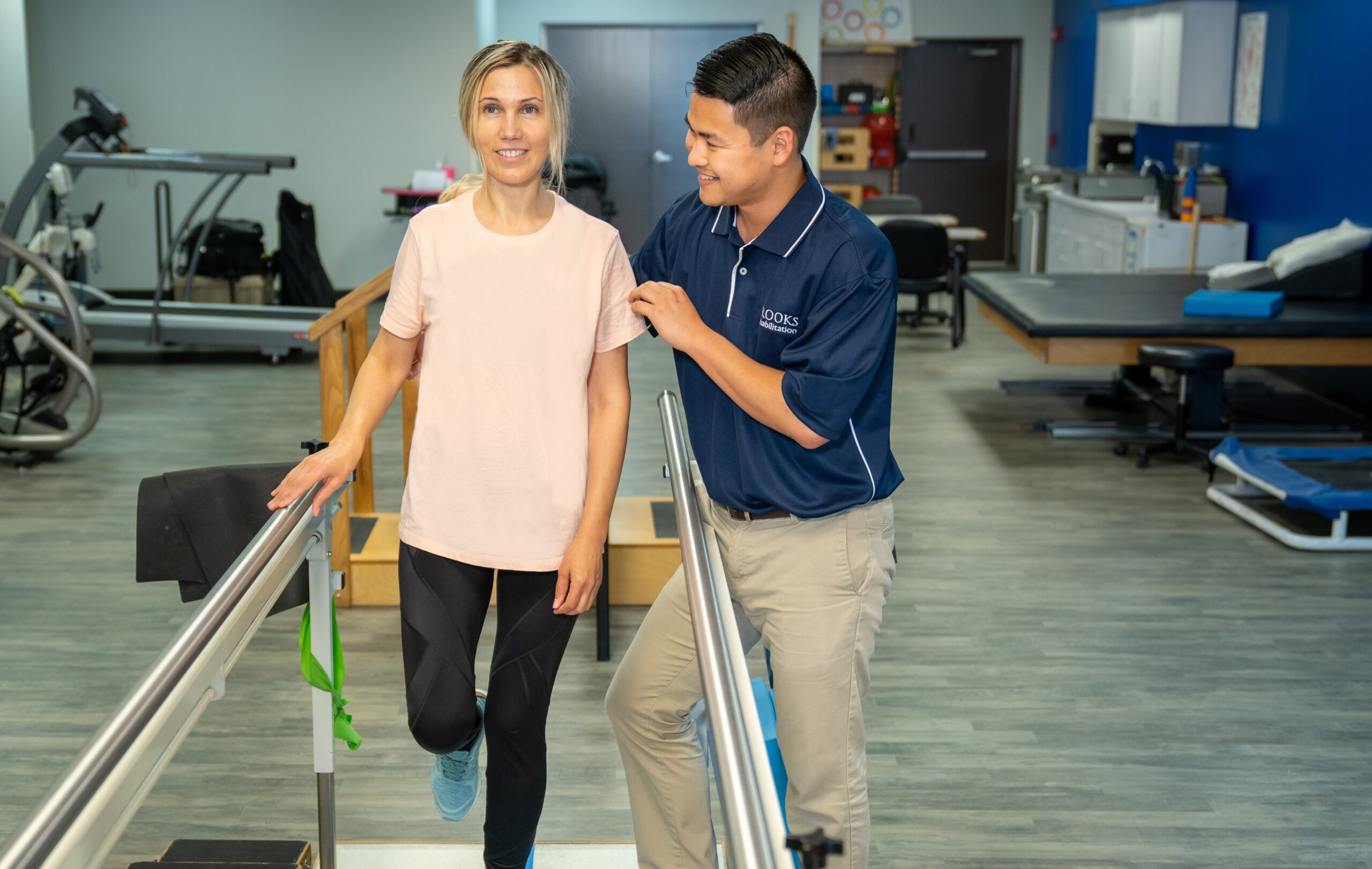
Another significant aspect is the therapist's method to patient care. A skilled physical therapist should focus on personalized treatment plans that cater to your specific needs and goals. They should be sensitive to your concerns, actively hearing and modifying their strategies based on your development and feedback. This ensures a cooperative relationship, which is crucial for effective rehabilitation and overall happiness with the therapeutic process.
Finally, consider the general environment of the therapy clinic. A dependable physical therapist should operate in a welcoming and professional setting, furnished with the latest technology and treatment techniques. Pay attention to the cleanliness of the clinic and the friendliness of the personnel, as these considerations contribute substantially to your ease during therapy sessions. A nurturing atmosphere can make a meaningful difference in your recovery journey.
Things to Look Out For to Be Aware Of
When searching for a physical therapist, it is essential to be aware of certain warning signs that may indicate a shortcoming in professionalism or expertise. One significant warning sign is a therapist who is hesitant to provide proof of their licensing and certification. All qualified physical therapists should have authentic credentials that meet regulatory standards, ensuring they are properly trained to offer safe and satisfactory treatment. If a therapist stumbles or evades answering questions about their qualifications, this should bring up red flags about their credibility.
Another red flag to consider is the nonexistence of a tailored therapy program. A trustworthy physical therapist should take the effort to evaluate your particular situation and develop a tailored plan to your therapy. If you meet a therapist who offers a uniform approach or forces you to engage in a generic program without considering your personal circumstances, it may be wise to look for help elsewhere. Effective physical therapy is built around individual patient requirements, and overlooking this factor can obstruct your recovery process.
Moreover, pay attention to the therapist's way of communicating and openness to address your concerns. A proficient and reliable physical therapist should be accessible, approachable, and willing to address your questions in a comprehensible format. If you discover that the therapist downplays your questions or fails to explain treatment methods in understandable terms, this can indicate a lack of interest in your health. A strong therapeutic relationship is essential for successful therapy, so be wary of any therapist who does not prioritize communication and client participation.